Thursday, March 6, 2014

Robert Thompson, Bruce Smith Capture PGA Senior-Junior Team Championship

0
By 
PGA of America 

Series:
PORT ST. LUCIE, Fla. --Texans Robert Thompson and Bruce Smith got off to a fast start Wednesday (Jan. 19)and held on to win the 53rd annual PGA Senior-Junior Team Championship Presented by Premier Golf and United Rentals at the PGA Golf Club in Port St. Lucie, Fla.
A front-nine better ball score of seven-under par 29 led to a final round of 64 on the Ryder Course and a 33 under 255. Still, they only won by a shot as Dennis Winters of Bishopville, Md., and Rick Schuler of Chester, Va., were second at 63-256.
"We played better on the front nine than we had been," said Smith, 44, PGA director of instruction at Brookhaven Country Club in Dallas. "We only made two birdies on the front Sunday," enroute to a 63, "three Monday (a 65) and three Tuesday (another 63)."
Smith birdied the second and third holes, both birdied the fifth and seventh; Thompson the sixth, eighth and ninth. Thompson made their only birdie on the back nine, a 15 footer from the edge at the par-3 16th with Smith's tee shot just three feet from the cup.
They did not make a bogey in 72 holes. "That was huge," Smith said, especially since Winters and Schuller had one, when both three-putted the par-4 15th hole on Tuesday. "It's a thrill to win a national championship for the first time," Smith added.
Thompson, 54, PGA teaching professional at Whispering Pines Country Club in Huntsville, won the Senior PGA Professional Championship in October. He will be conditionally exempt on the Champions Tour this year. He was fully exempt in 2009.
PGA of America Winter Championships
Senior-Junior Team Championship
Ryder Course, Par 72: seniors, 6,585 yards; juniors, 6,985 yards
(leaders - seniors 50 years and older listed first)
255 – Robert Thompson, Huntsville, Texas, and Bruce Smith, Lewisville, Texas, 63-65-63-64. $10,000 (team)
256 – Dennis Winters, Bishopville, Md., and Rick Schuller, Chester, Va., 61-63-69-63. $8,000
257 – Don Reese, Defuniak Springs, Fla., and Gary Rusnak, Santa Rosa Beach, Fla., 61-67-65-64. $5,000
257 - George Glenn, Tulsa, Okla., and Tim Graves, Oklahoma City, Okla., 68-63-61-65. $5,000
258 – Darrell Kester, Glen Cove, N.Y., and Matt Dobyns, Manhasset, N.Y., 64-66-67-61. $2,810
258 - Gary Robison, Canton, Ohio, and Dennis Miller, Canfield, Ohio, 63-65-65-65. $2,810
259 – Peter Serafimoff, New Smyrna Beach, Fla., and Jeff Sorenson, Blaine, Minn., 68-65-61-65. $2,250
260 – Gary Trivisonno, Aurora, Ohio, and Dwayne Randall, Findley Lake, N.Y., 64-64-69-63. $1,910
260 - Ed Sabo, Tequesta, Fla., and Vince Ramagli, Mount Laurel, N.J., 65-65-64-66. $1,910
260 - John Deforest, Accord, N.Y., and Craig Stevens, Dallas, Ga., 64-71-65-60. $1,910
260 - Rob Phelps, Fayetteville, N.Y., and Jeff Reader, East Syracuse, N.Y., 64-66-64-66. $1,910
261 – Sonny Skinner, Sylvester, Ga., and Brett Melton, Washington, Ind., 67-67-65-62. $1,577.50
261 - Dick Von Tacky, Kiawah Island, S.C., and Tony Traci, Pittsburgh, Pa., 62-66-67-66. $1,577.50
261 - Dave Laudien, Wall, N.J., and Keith Grassing, Somerville, N.J., 62-63-70-66. $1,577.50
261 - Quinn Griffing, Fort Wayne, Ind., and Bob Sowards, Dublin, Ohio, 61-68-65-67. $1,577.50
262 – Scott Cruiel, Cumming, Ga., and Tim Weinhart, Alpharetta, Ga., 69-65-66-62. $1,368
262 - Mark Faulkner, Marion, Ill., and Nash Haxel, St. Louis, Mo., 65-66-65-66. $1,368
262 - Michael Zaremba, Pueblo West, Colo., and Micah Rudosky, Cortez, Colo., 65-65-66-66. $1,368
262 - Mo Guttman, Sarasota, Fla., and James Burke, Newton, Mass., 64-64-68-66. $1,368
262 - Brad Rollinson, Ponte Vedra Beach, Fla., and Brian Varsey, Willoughby, Ohio, 67-64-63-68. $1,368
263 – Robert Linville and Simon McGreal, Greensboro, N.C., 66-68-65-64. $1,210
263 – Jim Sheerin, Rye Beach, and Michael Menery, Andover, Mass., 66-68-65-64. $1,210
263 – Jerry Tucker, Stuart, Fla., and Michael Tucker, St. Louis, Mo., 67-67-64-65. $1,210
263 – Bob Gaus, Orlando, Fla., and J.C. Anderson, O’Fallon, Mo., 67-63-67-66. $1,210
263 – Fran Marrello, Plymouth, Conn., and Brian Keiser, Avon, Conn. 63-62-71-67. $1,210
264 – Roy Vucinich, Moon Township, Pa., and John Aber, Pittsburgh, Pa., 67-65-68-64. $1,100
264 - Rick Sargent, Kissimmee, Fla., and Dirk Schultz, Hagerstown, Md., 66-67-65-66. $1,100
264 - Mike Parrish, Madison, Ala., and Kevin Savage, Melbourne, Fla., 65-67-66-66. $1,100
265 – Chris Dachisen, Wayne, N.J., and Frank Esposito, Florham Park, N.J., 64-66-70-65. $1,040
265 - Kevin Morris, Palm Beach Gardens, Fla., and Frank Bensel, Purchase, N.J., 68-65-66-66. $1,040
265 - Gary Ostrega, Westfield, N.J., and Jeff Seavey, Homosassa, Fla., 66-63-69-67. $1,040
265 - Brian Fogt, Wildwood, Mo., and Mike Small, Champaign, Ill., 63-67-66-69. $1,040
266 - Bob Ralston, Little Rock, Ark., and Brian Gaffney, Rumson, N.J., 69-65-66-66. $960
266 - Ken Martin, Wellington, Fla., and Chris Krueger, Rehoboth Beach, Del., 65-69-66-66. $960
266 - Cary Hungate, Kokomo, Ind., and James Ousley, Monticello, Ind., 69-66-64-67. $960
266 - Jerry Impellittiere, Palm City, Fla., and Spike Gareau, Hobe Sound, Fla., 65-67-65-69. $960
267 – Kris Smith and Stan McLennan, Palm Beach Gardens, Fla., 70-65-65-67. $880
267 - Daniel Koesters, Las Cruces, N.M., and Bill Harvey, Albuquerque, N.M., 68-65-67-67. $880
267 - Bud Lintelman, Purcellville, Va., and John O’Leary, Chantilly, Va., 67-66-66-68. $880
267 - Scott Spence, Middletown, R.I., and Eric Barlow, Port St. Lucie, Fla., 65-67-67-68. $880
269 – Rick Bronson, Mexico, N.Y., and Dennis Colligan, Cazenovia, N.Y., 65-66-69-69. $820
269 - Mike Zinni, Mankato, Minn., and Daniel Callahan, Chaska, Minn., 65-65-69-70. $820
271 – Randy Helton, Murfreesboro, Tenn., and Loren Personett, Antioch, Tenn., 69-65-66-71. $800 

Monday, February 24, 2014

The new role model

The changing role of receptionists means they can play a key part in easing NHS patients’ concerns over the decision to go private, writes...
Looking back on 2005, it is clear that we have all had to go through far-reaching changes to ready ourselves for the challenges we face in this new year.
Most receptionists we have spoken to tell us that because of the new PDS contracts their practices are withdrawing their commitment to the NHS. Having decided not to accept a contract, they have informed patients of their new terms of business and begun working under the new regime.
Informing NHS patients of such decisions can be stressful for everyone in the practice, particularly receptionists since they often have to bear the brunt of patients’ initial reactions, which can range from dismay to anger. In recent years many practices who have opted out of the NHS have identified a clear sequence of patients’ reactions, these being denial, anger, depression and then reconciliation before reaching the acceptance stage.
Such observations are valuable for practices still planning to make the change. Even though practices decide to withdraw from the NHS only after much soul-searching and consideration of patients’ best interests and the viability of the practice, we have not heard of any patients viewing this withdrawal as wholly reasonable and justified. We do hear, however, about the unfavourable reactions to this move that can make working on the front desk so stressful.
As a cautionary tale, research in 2005 into the helpfulness of retail staff found that customers think shop assistants are becoming less helpful, while staff said customers are becoming ruder and more demanding. This suggests a downward spiral in customer relations which, unless we are careful, could happen in dental practices.
So when practices change their terms of service, it is essential to ensure patients understand that the changes will bring added value. This process begins with the aspects of care that patients really understand, such as consideration of their comfort and practical needs. And, with a structured patient education programme, it can go on to show the benefits of the greater clinical freedom afforded by removing NHS constraints.
Last November, Health Secretary Patricia Hewitt told GPs to extend their surgery hours to fit in with patients’ working patterns. Yet many dental practices already offer appointments early in the morning and late at night And demand from our patients for this flexibility will grow as their perception as consumers grows. So it is important to keep a dialogue open to ensure we are aware of changing perceptions and can therefore respond appropriately.
Receptionists play a pivotal role in developing the service aspects of dental care. And their role is going through a major change, as the traditional nurse-receptionist is replaced by one who has been recruited for their customer care and administrative skills.
This comes with new training needs to enable these new, non-dental receptionists to work efficiently on the front desk. Their training must cover a basic knowledge of surgery procedures, charting an awareness of the needs of their team colleagues. In return (since their previous dental experiences will have been as patients), they will have an enormous amount to contribute to the team as patient advocates and will have a real understanding of patients’ perspectives.
We are asking receptionists to be proactive in developing their new role, and it is this that will be the focus of the BDRA 2006 Annual Conference in Blackpool on 4 March. If you want to play a part in shaping this vital team role, join us at the conference and have your say. To join the BDRA, or to attend our conference and see what we are doing, call us on 0870 081924 or visit our website: www.bdra.org.uk
The BDRA has always been aware of the need to identify the broadest possible range of training opportunities, such as workshops, home learning and in-house training, for the whole team. In many cases we have negotiated discounts for members and our website has links to the training providers.

Valuing your business

Agonising over whether to sell his NHS practice, George Antoniades sought the help of a valuation company specialising in the dental industr...
Buying or selling a practice can be a difficult and stressful experience and George Antoniades was one such dentist who finally decided the time was right to sell in June 2005.
Cypriot by birth, George grew up in South Africa where he graduated as a dentist at the University of Stellenbosch in 1992. Following several positions and locum work in South Africa, Antoniades headed for England where he set up a new practice in Bedfordshire in 2001, Premier Dental Care. His business quickly grew into three practices and in June 2003 he brought a private practice from a retiring dentist, Premier Smile Studio. In June 2005, Antoniades sold Premier Dental Care through practice broker Frank Taylor & Associates (FTA).
As an experienced dentist George invested a considerable amount of time and money in his practice, and realised that at some point during his career he would want to know what all his hard work had amounted to financially. George appreciated that it would be a mistake to think his practice could be valued using simple like-for-like mentality. ‘I know that comparisons to recently sold practices cannot be applied to my own practice to gauge a realistic value. There are so many factors that affect the value of any business.’
He explains how his options were either to sell his NHS practice or to amalgamate it with his existing private practice. ‘Keeping both practices would have required more time than I had to reach the standard I want in my practices. In selling my NHS practice I could release the goodwill that I had built up and invest some of the money into improving my existing private practice, focusing 100% on the highest level of care possible,’ he says.
George had his NHS practice valued to make an informed financial decision. ‘I decided to sell as this put me in a stronger position financially to increase the potential of my private practice.’
As managing director of Frank Taylor & Associates (FTA), a leading valuer and consultant to the dental profession, Chris Strevens presided over the sale of George’s NHS practice. During his 12 years association with the dental profession, Strevens has developed a special interest in the effective use of the dental team and the maximisation of profit in partnership with patients. He has presented at many lectures throughout the country and here offers a few pointers on how to maintain a financially viable practice.
Careful planning and consideration for finances is a key responsibility for any business, advises Chris. However, with the majority of dental practices this is often overlooked. Generally speaking once a practice is up-and-running and things appear to be going well, you rarely review your finances. When a review does take place it is usually at a time when a new purchase is required, and this is then normally undertaken by the company wanting to lend you the money, not you yourself.
The typical practice will have three types of finance in place that will cover a range of needs from working capital (overdraft) to practice purchase. The finance options will differ depending on why the money is needed so each must be considered as a separate issue.
An overdraft is a short-term borrowing on a bank account to finance running costs. The size of overdraft should be based on realistic requirements, not just a figure plucked out of thin air. The danger with the latter approach is that the overdraft is not sufficient for your needs, and continuously exceeding your limit will bring high penalty charges. If you have this problem, calculate your overdraft requirements using a cash-flow forecast, and ask your bank to increase your overdraft accordingly. An increased overdraft is not a financial burden as long as your practice is profitable and can support your lifestyle.
There will inevitably come a time when you need to purchase a fixed asset for your practice. A fixed asset can be anything from a dental chair to an X-ray machine and the first decision to be made is whether or not you want to own the asset. Your decision will dictate the type of finance package you need in order to purchase the asset.
If you want to own the asset the finance options available to you are a loan, hire purchase or lease-purchase agreement. If you would prefer non-ownership, then leasing, contract hire or rental schemes are options. The difference between the two is how the asset is accounted for in your annual tax return. If you own the asset then you can claim tax deduction on depreciation. Any allowable deduction from your profit and loss will reduce your net profit and in turn reduce you taxable contributions. It is also possible to deduct the interest charge of the item from your profit and loss, but it is only the interest charge and not the entire monthly repayment.
The tax implications for non-ownership of an asset are different. As you do not own the item there is no
entitlement to depreciation; however, in most cases you are able to claim the total monthly repayment. This will help reduce your net profit and in turn, tax payable at the end of each financial year.
Another form of finance often required by a dental practice is a commercial loan or mortgage. These options can be used for partnership buy-in, practice purchase, premise purchase or practice refurbishment. Contrary to what you may have heard about these options, they are easy to arrange if you can provide your lender with all the financial documentation required.
When a lender considers a request for a loan it can only really make a guess as to whether or not you can regularly meet the repayments. Despite the assessments that the lender will undertake on your finances and general business management, it will ultimately be an informed assumption based on the information that you provide that will guide the final decision.
Therefore the more information that you can provide the easier the lender can assess your ability to meet repayments. Ensuring you are organised and well prepared in your approach for a loan or mortgage will increase the chances of your application being accepted.
It is also worth considering that interest rates for mortgages and loans can vary considerably from one lender to lender. Do not accept the first offer, shop around for the best deal available and check to see if any early repayment penalties exit – you may be able to have these wavered.
Finally, regular review of the terms and conditions of your loan is essential. If you have more than one outstanding loan it may make financial sense to combine them into one larger loan in order to receive a more favourable interest rate.

Finding funding loopholes

Finding funding loopholes

Patient-financing or treatment-financing schemes have been around for a while. As the retail industry continues to grow due to high consumer borrowings – especially during the last year – patient-financing schemes have become more popular among both dentists and patients.
This is evident each time I visit a dental practice, especially a private one and I hear about new treatment financing companies and administrators. At our test practice, The Neem Tree, patient financing has been a strong aid to selling further higher priced treatments.
Patient financing simply means that a third party will finance the private dental treatment sought by customers. With more dentists turning private and more patients opting for private dental treatment, there’s certainly a growing need to finance expensive private dental treatment.
Several companies have identified this need and now offer various financing schemes to assist patients with short-term finance to support cost of treatment. Nowadays, a treatment plan involving two implants, including the relevant crown work or a treatment plan that involves two molar root canals, six crowns, five fillings, tooth whitening, two veneers would amount to over £5,000. A patient with a treatment plan like this will find it hard to pay for the treatment in one go, so it is likely they will either postpone the required treatment until funds become available or seek NHS treatment.
However, with the treatment-financing option, the patient can opt for short or medium term finance. Often short-term financing will be interest free and the medium term will carry a small amount of interest. Nevertheless, patients who qualify for patient-financing will quite readily opt for the most suitable scheme to spread the cost over a longer period.
A patient who wishes to get private dental treatment will be more than happy to pay a small amount of interest and administration charges to have the required dental treatment, rather than waiting for the funds to be available in the future, which often doesn’t happen. From a patient’s point of view, this is an ideal way to have the required private dental treatment without putting pressure on short-term cash requirements.
From a practice’s point of view, this would mean more customers through the door and increased revenue. As in the case of any big purchase decision, a credit facility will definitely facilitate the buyer’s decision-making process. If you were the owner of the private dental practice who had not operated a treatment finance scheme, it is likely that you’ll lose the patient concerned and the potential revenue of £5,000. I strongly recommend patient financing as a must for practitioners who offer private dental care.
There are a few patient finance providers who offer financing for private dental treatment with varying terms and conditions and commission charges, so it is important to tie up with the right partner.
You will need to consider the commission percentages for different credit options, whether the provider can set up a seamless operation that will minimise the administration work for you and your staff, the cost to the patient in terms interest that they will incur and any other charges. The impact on the patient can not be ignored because if the scheme is not attractive in the eyes of the patient the entire effort is wasted. Therefore, it is critical to evaluate both financial and non-financial aspects when choosing the right partner for your practice.
On the other hand, implementation of a patient-financing scheme should be well supported by new internal systems and procedures. This is important because certain treatment plans could last for several months resulting in a need to monitor the total value of treatment carried out so far, at any given time, in comparison to the amount of credit approved and paid to you upfront by the finance provider.
This will ensure that patients on a financing scheme do not exceed the total value of treatment that they are entitled to. On the other hand, by systemising a patient-financing scheme, any charges involved such as commission charges levied by the provider could be properly allocated to the relevant dentist especially when associates are involved. Finally one important thing that should never be forgotten is to apply for a consumer credit license before the implementation of the scheme.
With more dentists turning private and growth in demand for both general and specialised private dentistry, patient-financing schemes will become more popular among dentists and patients. For the dentists, it will boost the revenue and profitability. For the patients, they will have access to the much needed short-term funding to undergo required private dental care and for the patient finance providers, increased income in the form of commissions.
It is not a bad idea to introduce a patient-financing scheme to your practice, if you haven’t got one. But it is also important to evaluate the available schemes and the providers, as to both financial and non-financial aspects, so that you select the best scheme/provider for you and your patients.

Sunday, December 1, 2013

<速報>池田勇太が単独首位!松山英樹は6位タイに浮上


2011年07月30日15時43分


リーダーズボード
順位 選手名 スコア1 池田 勇太 -14
2 平塚 哲二 -13
3 K・アフィバーンラト -11
4 井上 忠久 -10
5 丸山 大輔 -9
6 松山 英樹 -8
岩田 寛 -8
J・チョイ -8
9 S・コンラン -7
K・バーンズ -7


順位の続きを見る


<サン・クロレラ クラシック 3日目◇30日◇小樽カントリー倶楽部(7,471ヤード・パー72)>

 北海道にある小樽カントリー倶楽部を舞台に開催中の国内男子ツアー、「サン・クロレラ クラシック」は3日目の競技を終了。トータル6アンダー4位タイからスタートした池田勇太がスコアを8つ伸ばして単独首位に浮上した。

 池田勇太は前半でスコアを2つ伸ばすと後半で爆発。10番から13番まで3連続バーディ、14番パー5ではイーグル、15番でもバーディと5ホールで6つ伸ばして一気に首位にリーダーズボードを駆け上がった。

 1打差の2位には2日目まで首位に立っていた平塚哲二。他の選手がスコアを伸ばす中、この日はイーブンパーに終わり順位を落としてしまった。3打差3位にはタイの新鋭、キラデク・アフィバーンラト、4打差4位には井上忠久がつけている。アマチュアの松山英樹は池田と同じくスコアを8つ伸ばしトータル8アンダーで昨日の40位タイから6位タイに大幅に順位を上げた。

松山英樹、6位タイに浮上!遼のレコードタイ逃すも“64”の大爆発


2011年07月30日16時35分


リーダーズボード
順位 選手名 スコア1 池田 勇太 -14
2 平塚 哲二 -13
3 K・アフィバーンラト -11
4 井上 忠久 -10
5 丸山 大輔 -9
6 松山 英樹 -8
岩田 寛 -8
J・チョイ -8
9 S・コンラン -7
K・バーンズ -7


順位の続きを見る


松山英樹、ダイナミックなスイングで10番パー5では2オンに成功(撮影:岩井康博)


<サン・クロレラ クラシック 3日目◇30日◇小樽カントリー倶楽部(7,471ヤード・パー72)>

 国内男子ツアー「サン・クロレラ クラシック」の3日目。予選カットのプレッシャーから解き放たれた松山英樹が怒涛の猛チャージをみせた。「出だしバーディ、バーディでいって楽になりました」INコース、いわゆる裏街道からスタートした松山は、10番、11番と連続バーディを奪う幸先の良い立ち上がり。12番はボギーとしたものの、ここから猛チャージがスタートする。

【関連ニュース】松山英樹、驚異の粘りで予選通過【2日目】

 14番、15番と連続バーディを奪うと、ハーフターン後の4番、5番、6番と3連続バーディ。さらに、8番でバーディを奪って迎えた最終9番は、約280ヤードを2メートルのイーグルチャンスにつける。決めれば昨年石川遼が叩き出した“63”というコースレコードにならぶイーグルパットは惜しくも外れたが、最後もきっちりバーディ締め。1日で8つスコアを伸ばす猛攻でトータル8アンダー6位タイにまで浮上した。

 ラウンド前に東北福祉大の阿部監督から設定された目標スコアは“68”。しかし、「そんな気はさらさらなくて、普通に回ろうとしていた」と気負うことなくラウンドに入った。ドライバーはフェアウェイを思うようにとらえられなかったが、そこからのアイアンショットがこの日は抜群に切れた。ラフからでもグリーンをしっかりとらえると、得意のパッティングで次々とカップに沈めた。“64”は単独首位に立った先輩の池田勇太と並ぶベストスコア。これには池田も「ボードを見て、なーにやってんだあいつは」と驚きを隠せなかった。

 「久しぶりにこんなに楽しいラウンドが出来た」勢いに乗ってラウンドしている中でリーダーズボードを目にすると、同じ東北福祉大の先輩・藤本佳則も伸ばしているのが目に入った。「先輩に勝ちたいんで、良いスコアで回りたい」気合いを入れ直すと、終盤さらにギアを上げてその先輩を上回る圧巻のスコアを叩き出してみせた。「順位を見ても上に来ているので、明日も同じようなプレーが出来たらいいなと思います」。首位とは6打差に開いているものの順位は並み居るプロを押しのけ6位タイ。スーパーアマチュアがまた新たな歴史を作る。

スーパーアマは松山だけじゃない!藤本佳則が6アンダー14位タイ


2011年07月30日16時40分


リーダーズボード
順位 選手名 スコア1 池田 勇太 -14
2 平塚 哲二 -13
3 K・アフィバーンラト -11
4 井上 忠久 -10
5 丸山 大輔 -9
6 松山 英樹 -8
岩田 寛 -8
J・チョイ -8
9 S・コンラン -7
K・バーンズ -7


順位の続きを見る


松山英樹と同じ東北福祉大の藤本佳則が14位Tに浮上!(撮影:岩井康博)


<サン・クロレラ クラシック 3日目◇30日◇小樽カントリー倶楽部(7,471ヤード・パー72)>

 国内男子ツアー「サン・クロレラ クラシック」の3日目。東北福祉大の松山英樹が“64”、同校OBの池田勇太も“64”を叩きだし単独首位と躍進する中、現在の東北福祉大ゴルフ部主将である藤本佳則がこの日4つスコアを伸ばし、トータル6アンダー14位タイに浮上した。

【関連ニュース】松山英樹、6位タイに浮上!コースレコードタイ逃すも“64”の大爆発

 藤本は出だしの1番、3番とボギーを叩くも、そこから6バーディを奪取。「メーカーにワガママ言って作ってもらった」というドライバーから放たれるティショットはフェアウェイをしっかりとらえ、安定感のあるプレーで上位に浮上した。

 いかつい風貌とは裏腹に、東北福祉大の先輩の池田や阿部監督からは「いつもかわいがってもらってます(笑)」というイジられキャラ。そんな中で鍛えられた強心臓は折り紙つきだ。「監督も北海道に来ているし、頑張らなアカンので。とりあえず、トップ10を目指して頑張りたいですね」相性の良さを実感している小樽で大器が花開くか。


【3日目の順位】
1位:池田勇太(-14)
2位:平塚哲二(-13)
3位:キラデク・アフィバーンラト(-11)
4位:井上忠久(-10)
5位:丸山大輔(-9)
6位T:松山英樹(-8)※
6位T:岩田寛(-8)
6位T:J・チョイ(-8)
9位T:片岡大育(-7)他4名
14位T:藤本佳則(-7)他3名※

※はアマチュア

勇太“64”で首位浮上も「誰が勝つか知ってるのは神様だけ」


2011年07月30日17時03分


リーダーズボード
順位 選手名 スコア1 池田 勇太 -14
2 平塚 哲二 -13
3 K・アフィバーンラト -11
4 井上 忠久 -10
5 丸山 大輔 -9
6 松山 英樹 -8
岩田 寛 -8
J・チョイ -8
9 S・コンラン -7
K・バーンズ -7


順位の続きを見る


後半で爆発し単独首位に立った池田勇太。13番イーグルでこのドヤ顔!(撮影:岩井康博)


<サン・クロレラ クラシック 3日目◇30日◇小樽カントリー倶楽部(7,471ヤード・パー72)>

 北海道にある小樽カントリー倶楽部で開催されている、国内男子ツアー「サン・クロレラ クラシック」の3日目。池田勇太がこの日“64”を叩きだしトータル14アンダーで単独首位に浮上した。

【関連ニュース】松山英樹、6位タイに浮上!“64”の大爆発

 前半はバーディチャンスを多く作りながらもパッティングが決まらないガマンの展開。それでも2つスコアを伸ばして迎えた10番でバーディ、さらに「大きかった」という11番で8メートルの長いバーディパットを沈めると、ここから一気に流れに乗る。続けて12番でもバーディを奪うと、13番パー5では15メートルを沈めイーグルを奪取。さらに14番もバーディとし、伸び悩んだ平塚哲二をとらえ単独首位に浮上した。

 終盤16番ではティショットをラフに打ち込みレイアップを余儀なくされるピンチを迎えたが、約5メートルのパーパットをねじ込み切り抜けると、難関続きの終盤をスコアを落とすことなくホールアウト。今季初優勝を射程にとらえた。

 初日から池田は一貫して「絶好調ではない」と言い続けているが、それはこの日も変わらなかった。それでも、“64”を叩き出すことが出来たのはきっちり勝負の流れをつかむことが出来たからだ。「良い波に乗れると、おのずと良いゴルフがくる。気持ちも乗ってくる」。この日の池田は今ひとつ噛み合わなかった前半を切り抜けると、10番、11番の連続バーディで上昇気流をつかんだ。すると、前半苦しんだパッティングも面白いように決まりだす。13番のイーグルパット、16番のパーセーブなどはその最たるものだ。

 「悪いときは考えなくていいことも考えてしまう。いいときは何も考えなくても目に入ったものをあらわすことが出来るようになる」ひと度リズムに乗れば、例え調子が悪くてもスコアがついてくる。ツキも味方する。リズムが悪くなれば、それにあがなうことは難しくなる。その流れをとらえることが、何よりも重要であることを池田は心得ている。

 すべては流れ次第。それだけに、最終日最終組にも気負いは微塵もない。「明日は普通にやりますよ。納得の出来るいいゴルフが出来ればいい。それで負けたらその相手にツキがあったということ。誰が勝つかなんて知ってるのは神様だけだよ」。明日はどこで流れをつかめるか。


【3日目の順位】
1位:池田勇太(-14)
2位:平塚哲二(-13)
3位:キラデク・アフィバーンラト(-11)
4位:井上忠久(-10)
5位:丸山大輔(-9)
6位T:松山英樹(-8)※
6位T:岩田寛(-8)
6位T:J・チョイ(-8)
9位T:片岡大育(-7)他4名
14位T:藤本佳則(-7)他3名※

Sunday, September 22, 2013

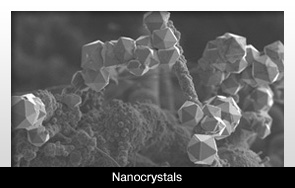
New Nanocrystals Improve Dentures


Written by Dentistry TodayMonday, 09 January 2012 16:38


A new glass ceramic has been created that will be beneficial to dentistry.

A research team at the Otto-Schott Institute for Glass Chemistry generated a new glass structure that would be ideal for dentures.

The strength of this new glass substance will be about five times stronger than similar denture ceramics, according to Dr. Christian Russel of the Friedrich Schiller University Jena in Germany.

This group has been developing high-density ceramics, but nothing that would be applicable for dentistry—until now.

The materials aren't supposed to look different than they would in natural teeth. The color is also vital, as is the look of the enamel.

To create the ideal substance for dentistry, it's essential that the glass ceramics are cooled at a certain temperature scheme. The materials are heated at 1,500°C before being cooled down. The glass is later melted and then cooled down. Any variation in the procedure would ruin the strength of the product.

There's still a lot of work to be done before the material will officially be unveiled for denture usage.

Dental Tourism Becomes Major Industry in Scotland


Written by Dentistry TodayTuesday, 10 January 2012 16:36


Dental tourism is now a big deal in Scotland.

With people looking to save money, people are flocking to Scotland for low-cost dental care. The wait time and high costs of dental treatment in other countries doesn’t exist in Scotland. Specifically, people from the United Kingdom are making these trips to cut costs.

Instead of travelling to Hungary for dental treatment, Scotland may become the new popular destination for dental care.

There are some people who are contacting dentists in Scotland and then choosing whether to travel to Scotland or Hungary.

In countries where cosmetic dentistry isn’t around or in small demand, this dental tourism may be vital. It can provide people with service they wouldn’t otherwise have access to.

As beneficial and cost-efficient as dental tourism may be, it’s still essential to do so some research before making the trip. If a procedure is messed up, you may end up paying more money in addition to suffering from some major health problems.

Dental Visits Essential to Healthy Life


Written by Dentistry TodayThursday, 12 January 2012 08:44


Despite the poor economy, there are some areas in which costs can't be cut.

One of them is dental coverage. Maintaining good oral health leads to having solid overall health.

There are no concrete statistics on the dwindling number of people visiting the dentist but many studies indicate people are visiting the dentist less often. Gallup-Healthways surveyed about 177,000 Americans from January through June 2011 and found that 35 percent of Americans didn't visit the dentist in the last 12 months.

There are plenty of issues that could develop without regular dentist visits. Plaque and tartar may build up and turn into tooth decay, among other issues.

Saving money now by skipping dental visits will result in paying more later. When a tooth begins to decay, it won't heal without any dental treatment—and sometimes it's even too late for the dentist to fix the problem.

A person may also be suffering from oral cancer or jaw diseases and not know it without visiting the dentist. There's a plethora of other health problems that may develop because of an oral health problem.

That's why it's vital for people to minimize consumption of sugary foods and beverages. Water is the best drink to enable this to happen.

Brushing and flossing between dental visits are also essential functions for maintaining oral health.

Friday, September 20, 2013

Dentists Play Pivotal Role in Looking for Oral Cancer


Written by Dentistry TodayTuesday, 10 April 2012 10:51


Regular dental visits may be the best way to detect oral cancer, according to the Academy of General Dentistry.

It’s best for people to visit a dentist once every six months based on the recommendation of the Academy of General Dentistry. This issue is being discussed now because April is Oral Cancer Awareness Month.

A dentist may check for lumps or obscure tissue changes in the neck area, head, cheeks and oral cavity. The dentist will also look to see if there are any sores or tissues that are discolored.

More than 30,000 new cases of oral cancer are diagnosed in the United States each year, according to the Centers for Disease Control and Prevention. More than 8,000 of those people die from oral cancer. The five-year survival rate from oral cancer stands at 50 percent.

Like many forms of cancer, the key in treating oral cancer is diagnosing it early enough before it spreads.

Some of the warning signs include bleeding sores in the mouth, sores that don’t heal, lumps in the mouth, a feeling that something is caught in the throat, trouble chewing or swallowing, and many other symptoms. The worries associated with these symptoms can be eased by simply visiting the dentist on a regular basis.

Women in 40s Impacted by Dental Phobia


Written by Dentistry TodayFriday, 13 April 2012 07:25


Women older than 40 are often scared to visit the dentist.

A University of Sydney study came to this conclusion after conducting research among a wide range of age groups. The research had been happening for five years. The conclusion was that women in the 40-plus age range had the greatest chance to be struck by depression and anxiety regarding dental visits.

The study also determined that 40 percent of people in the western world experience some type of fear when visiting the dentist.

The study analyzed the differences among the people who didn’t have a fear of the dentist and people who feared the dentist among patients in Australia in reference to how long they would wait before contacting the dentist. People without a fear of the dentist generally waited 3 days before contacting the dentist about a problem. The people who feared dental visits waited about 17 days before calling the dentist.

There are other studies, like one that the Columbia University College of Dental Medicine did, that indicated that around 30 to 40 million Americans don’t go to the dentist. These people will do anything to avoid going to the dentist because of their fear.

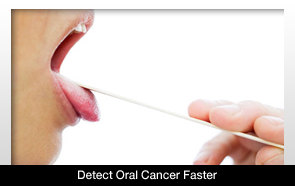
New Test Could Enable Dentists to Detect Oral Cancer Faster


Written by Dentistry TodayTuesday, 17 April 2012 15:20


It’s possible that it may take only 20 minutes to diagnose oral cancer.

The new test involves the dentist collecting stem cells from the patients’ mouths and then utilizing a computer program to analyze the diagnosis one way or the other. The whole process takes 20 minutes, light years ahead of the current methods, which include taking a biopsy and then awaiting the results from a lab. The results may not be in for roughly two to three weeks.

Researchers from the University of Sheffield in the United Kingdom and researchers from Rice University have been working on a two-year trial. If the trial is a success, the new method will first be utilized in the UK.

The test uses small sensors and biologic agents that are attached to a portable machine. The actual testing device, known as lab on a chip, is about the size of a credit card. The test can be used in dental practices, providing dentists with the opportunity to test for oral cancer at their practice. The patients wouldn’t have to be anxious about the results for a period weeks and, instead, could learn the results that day.

There are 275 people who have signed up for the trial in the UK. There were 20 of those patients that tested positive for oral cancer and didn’t know they had the disease. The current rate of survival for oral cancer (50 percent) may receive a huge increase because of this test. Early treatment of oral cancer can result in about a 90-percent survival rate.

Professor Martin Thornhill, one of the leaders of the study, thinks the test will become a standard part of dentistry in the UK during the next five years. The test is useful because it can test patients who come in for a basic dental checkup or those patients that have an ulcer, a lesion or some reason to suspect they may have oral cancer. Oral cancer can be confirmed or ruled out in a matter of minutes based on this test.

Monday, September 16, 2013

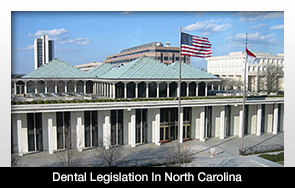
Controversy Over Proposed Dental Legislation in N.C.


Written by Dentistry TodayTuesday, 05 June 2012 15:34


Legislation has been proposed in North Carolina that will revamp the regulations for dental treatment. Many people are divided on how the impact will be felt.

The purpose of the bill, according to legislators, is to regulate companies in the way billing is handled between dental management companies and the dentist. This issue came to the forefront because some of the dental management companies allegedly profited from some treatment in recent years instead of performing only necessary dental work that was in the best interest of the patient. If these allegations are true, the taxpayers end up paying more money than they should be paying.

There are laws in North Carolina and many other states that prohibit corporate dentistry for that reason. Changes have been made in other states already, like Texas.

Many dentists associated with the North Carolina Dental Society are in favor of the bill because they feel the state dental board should pay closer attention to billing to make sure dentists only bill for necessary treatment.

Many other people, including some of the investors of the dental companies, are doing everything to prevent the bill from passing. They held a news conference outside of the Legislative Building to oppose the bill and have raised money for a campaign against the bill.

Both sides have sponsored commercials about the issue.

The bill has not yet taken effect and the issue is still ongoing.

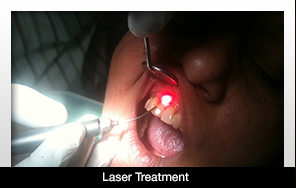
Laser Treatment May Significantly Aid Gum Disease Patients


Written by Dentistry TodayWednesday, 06 June 2012 15:29


People with gum disease may not have to deal with all of the headaches associated with the condition.

A new treatment the utilized water and laser technology may be on the way. The treatment includes spraying a combination of water and air through a handpiece while the lasers are directed toward the mouth.

The lasers generate an explosion from the water molecules, which demolishes the diseased tissue. That tissue is then removed. The lasers don't come into any contact with the body, making the process painless. There is also no anesthetic involved.

This type of treatment may also be used for teeth whitening, removal of decayed tooth tissue and extractions.

Gum disease impacts roughly 90 percent of people at some point in their lives, with many cases being minor. The other 10 percent of people would be considered susceptible to the disease.

The current treatment for gum disease is generally complex and requires many visits. In some cases, surgery is necessary.

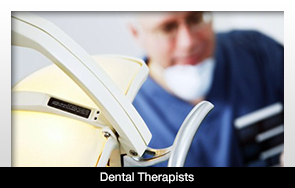
Debate About Dental Therapists’ Qualifications Rages On


Written by Dentistry TodayThursday, 07 June 2012 14:52


More people are starting to visit dental therapists for dental treatment as opposed to seeing a dentist. But is that a good thing?

Since roughly 17 million people don’t see a dentist each year—according to the Pew Charitable Trust—the market for dental therapists has opened. They can’t perform all of the procedures that dentists can, but the cost could be significantly lower in some cases.

Alaska was the first state to set up a dental therapy program, having done so in 2005. Minnesota passed legislation in 2008 that opened up the possibility for dental therapists to treat patients. California, Oregon, Connecticut and New Hampshire are looking at similar legislation.

Evidence doesn’t suggest that an influx of dental therapists causes dentists to lose business based on the fact that there is a wide array of procedures that dental therapists cannot perform.

According to the American Dental Association, however, flooding the market with more people that can provide basic dental care isn’t the answer to helping more people receive treatment. Informing people about the importance of maintaining good oral health is the answer.

Still, dental therapists have an important role to fill in remote areas where there is a lack of dentists or no dentists at all. It’s too be determined, however, how the roles of dentists and dental therapists will impact each other and dental patients in the future.

Thursday, September 5, 2013

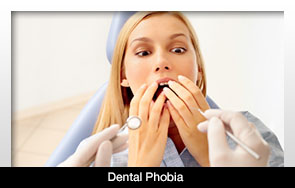
Dental Phobia Poses Problems for Many


Written by Dentistry TodayFriday, 13 July 2012 10:35


There are many reasons why people don't visit the dentist. A fear of the dentist is a major one.

Dental phobia could prevent some people from going for a routine dental visit for years. The result is obviously poor oral health. A small problem often turns in a larger one that could have easily been prevented.

For some, a bad experience as a child may have set them on the path toward fearing future visits.

But this issue can be fixed for many people based on the advances in many dental offices. There are many techniques and tools in modern dental offices that can alleviate fear. There are also various anesthetics and anti-anxiety drugs available to ease one's nerves.

There are even some dentists that give the patients the ability to say when they want to start and stop treatment after explaining exactly what will be done. This allows the patient to believe they are in control, a feeling many feel they don't possess during a dental visit.

There are even some dentists who could be considered dental phobic specialists, enabling them to work with a patient to overcome his or her dental phobia.

Based on all of these innovations, there should be fewer people who fear dental visits. Lowering the amount of people that fear dental visits would be a big step for more people to maintain solid oral health.

BPA Fillings Could Lead to Increased Risk of Behavioral Issues


Written by Dentistry TodayWednesday, 18 July 2012 11:17


Bisphenol A fillings may have some unintended results.

A new study indicates that BPA fillings may be linked to behavioral problems in children. The research showed that children who had some type of dental fillings made from BPA had a higher chance to encounter some type of behavioral or emotional problem.

The research did not take into account the level of BPA in the fillings. There was no research done on some of the other chemicals that may have been present in the fillings, either.

The study was done, according to lead researcher Nancy Maserejian of the New England Research Institutes in Waretown, Mass., because the leaching process of chemicals from fillings is a hot-button issue in dentistry.

BPA fillings are becoming more prevalent because of their color, which blends in with teeth. BPA, however, is also a substance utilized in the manufacturing of packaging materials and tinned items.

The researchers poured through data of 534 children ages 6 through 10 who had some type of amalgam or composite filling. BPA was utilized in one of the two newer kinds of fillings.

Five years after the receiving the filling, the parents answered questions about their child’s behavior and attitude, in addition to school and any feelings of anxiety/depression. The researchers concluded that children with BPA fillings had a higher point score on average (signifying behavioral issues).

The research also concluded that children with fillings on chewing surfaces of their teeth also had a higher point score. The possible leaching of chemicals in this case may come from the constant chewing and grinding of the teeth.

Americans Aren’t Knowledgeable About Oral Health


Written by Dentistry TodayWednesday, 18 July 2012 14:17


If it were up to the average American, oral health would be in a bad place right now.

A survey conducted by the American Dental Association indicates that the average American’s oral health knowledge earns a letter grade of D.

The results come from a recent ADA survey about how educated people are about their oral health.

The survey concluded that 90 percent of adults think it’s best to brush their teeth right after each meal. In actuality, a person should brush when they wake up and before going to sleep. If a person brushed after each meal, he or she could spread around the possible acidic food just consumed, which could damage the enamel.

The survey also showed that 65 percent of people believe they should change their toothbrush every six months. The ADA recommends changing your toothbrush every 3 to 4 months.

Roughly 75 percent of American adults were unaware of the time in which they should take their child for his or her first dental appointment. This is something that should be done when the child is a year old, according to the ADA. The survey also showed that people think flossing should be done twice per week. The ADA suggests flossing once per day.